apparel
verbWhat Makes This Word Tick
Apparel means clothing or garments, a slightly more formal-sounding word than “clothes.” It often appears in retail, fashion, or descriptive writing when you want a broader, category-like feel. The word can sound practical and polished, like you’re talking about a whole selection rather than one outfit.
If Apparel Were a Person…
Apparel would be the organized stylist who thinks in collections, not just single pieces. They’re tidy, presentable, and always aware of the bigger wardrobe picture. They won’t say “shirt and pants” if they can say “apparel” and mean the whole setup.
How This Word Has Changed Over Time
Apparel has remained centered on clothing and garments, with modern usage especially common in commercial and descriptive contexts. Over time, it has become a standard term for categories of clothing rather than only individual items. The meaning stays steady: what people wear.
Old Sayings and Proverbs
A proverb-style idea that fits apparel is that what you wear can shape how you’re received. That connects to the word’s focus on garments as a visible, social layer.
Surprising Facts
Apparel often sounds more formal or industry-like than “clothes,” which is why it’s common in labeling and product categories. It can refer to everyday wear or specialized gear, as long as it fits the idea of garments. The word also naturally suggests variety—more than a single piece.
Out and About With This Word
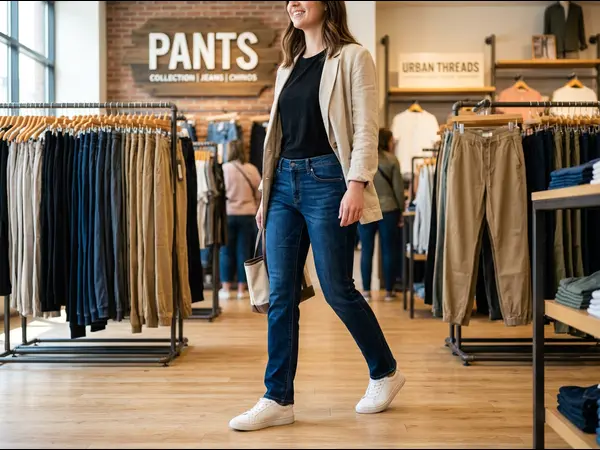
You’ll see apparel in stores, catalogs, and professional contexts where clothing is grouped and described. It’s also used in writing about uniforms, seasonal clothing, or specific categories like sports or work gear. In casual conversation, it can sound a touch formal, which sometimes is exactly the point.
Pop Culture Moments Where Apparel Was Used
In pop culture, apparel is part of makeover scenes, style identities, and the way characters signal status or personality through what they wear. The concept shows up whenever clothing choices are treated as meaningful, not just practical. It fits stories where garments become a kind of shorthand for who someone is or wants to be.
The Word in Literature
In literary writing, apparel can lend a slightly formal, descriptive tone, especially when an author wants to talk about clothing as a category rather than a single item. It can support characterization by suggesting care, status, or role through what someone wears. The word can also make descriptions feel broader—like the narrator is taking in the whole presentation at once.
Moments in History with Apparel
Throughout history, apparel as a concept appears wherever clothing signals role, rank, work, or identity—uniforms, ceremonial garments, and everyday wear shaped by necessity. It fits historical scenarios where what people wore mattered for function and social meaning. The definition connects because apparel is the visible layer people use to adapt to climate, labor, and social expectations.
This Word Around the World
Across languages, this idea is usually expressed through words that mean “clothing,” “garments,” or “attire,” and the nuance often depends on whether the context is casual, formal, or commercial. Some languages may use a broader category term in retail-like contexts similar to English “apparel.” The meaning stays aligned: what people wear.
Where Does It Come From?
Apparel comes through Old French and ties back to Latin roots connected to preparing or making ready, which fits the idea of getting dressed for the day or for a role. The origin helps explain the word’s slightly formal feel—clothing as part of preparation and presentation. It’s a word that carries a hint of “readying yourself” in its history.
How People Misuse This Word
A common misuse is using apparel to mean a single specific item when the word often feels more natural as a category or collection. Another slip is using it for accessories or objects that aren’t garments; to match the definition, it should stay anchored to clothing.
Words It’s Often Confused With
Apparel overlaps with “attire,” but attire often feels more dressed-up or occasion-specific. It can be confused with “wardrobe,” which can mean both the clothes you own and the furniture that holds them. And it’s not the same as “costume,” which suggests dress for performance or disguise.
Additional Synonyms and Antonyms
Additional Synonyms: outfits, dress, wear, threads Additional Antonyms: nudity, nakedness, dishabille, bareness
Want to Try It Out in a Sentence?
"The store featured a wide selection of winter apparel for the upcoming season."
explore more words